Introduction
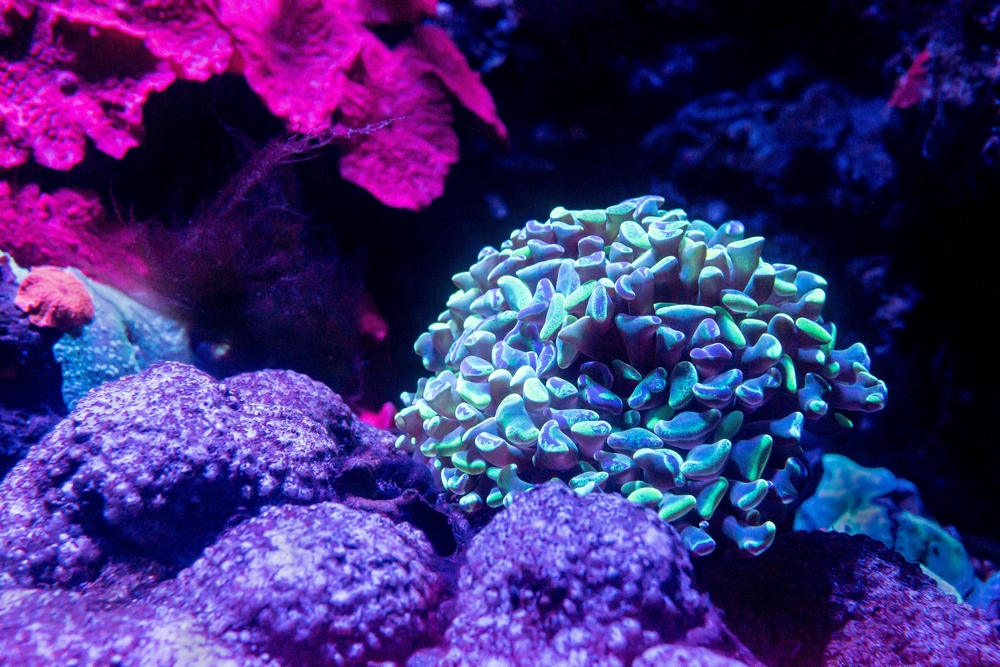
The ocean is home to a mesmerizing display of natural light shows, courtesy of bioluminescent marine organisms. These incredible creatures have the ability to emit light, creating a captivating spectacle that illuminates the depths of the sea. In this article, we will delve into the enchanting world of bioluminescence, exploring its purpose, diversity, and the fascinating organisms that possess this extraordinary ability.
Uncovering the Hidden World of Bioluminescent Marine Organisms

1. What is Bioluminescence?
Bioluminescence, to put it simply, is understood by the scientists as the production and emission of light by living organisms. In the depths of the ocean, where sunlight cannot penetrate, bioluminescence serves as a form of communication, camouflage, and attracting prey or mates. This biologically created light is a result of a chemical reaction within the organism’s body.
2. The Mechanism Behind Bioluminescence
Bioluminescence is achieved through the interaction of two key components: luciferin, a light-emitting pigment, and luciferase, an enzyme that catalyzes the reaction. When luciferin and luciferase combine with oxygen, they produce light. The colors and patterns of the emitted light vary across different species, creating a stunning array of bioluminescent displays.
3. Bioluminescent Organisms in the Ocean
The ocean is teeming with bioluminescent organisms, ranging from single-celled plankton to large marine animals. Some notable examples include the microscopic dinoflagellates that create glowing trails in the water when disturbed, the flashlight fish with light organs under their eyes, and the deep-sea anglerfish that dangles a bioluminescent lure to attract prey. Each species has evolved unique adaptations to utilize bioluminescence for survival.
4. Camouflage and Counterillumination
Bioluminescence also serves as a defense mechanism for marine organisms. Some species, such as the lanternfish, possess light-producing organs on their undersides to match the faint sunlight filtering from above. This counterillumination technique helps them blend with the surrounding light, making it difficult for predators lurking below to spot them.
5. Courtship and Mating Displays
For many marine organisms, bioluminescence plays a significant role in courtship and reproduction. Male ostracods, for example, produce intricate light patterns to attract females. Fireflies of the sea, known as ostracods, create mesmerizing light shows by synchronizing their flashes. These displays serve as signals of fitness and attract potential mates.
6. Bioluminescent Phenomena
Bioluminescent phenomena extend beyond individual organisms. The glowing waves caused by bioluminescent bacteria, known as “red tide,” create a surreal spectacle along coastal shores. Additionally, the phenomenon of “milky seas” occurs when vast areas of the ocean emit a faint, ethereal glow that can be visible from satellites.
Conclusion
The hidden world of bioluminescent marine organisms is a testament to the wonders of nature. From the sparkling trails of glowing plankton to the intricate light displays of deep-sea creatures, bioluminescence adds an element of magic to the ocean’s depths. Exploring and understanding this extraordinary phenomenon helps us appreciate the beauty and diversity of life beneath the waves.

Leave a Reply