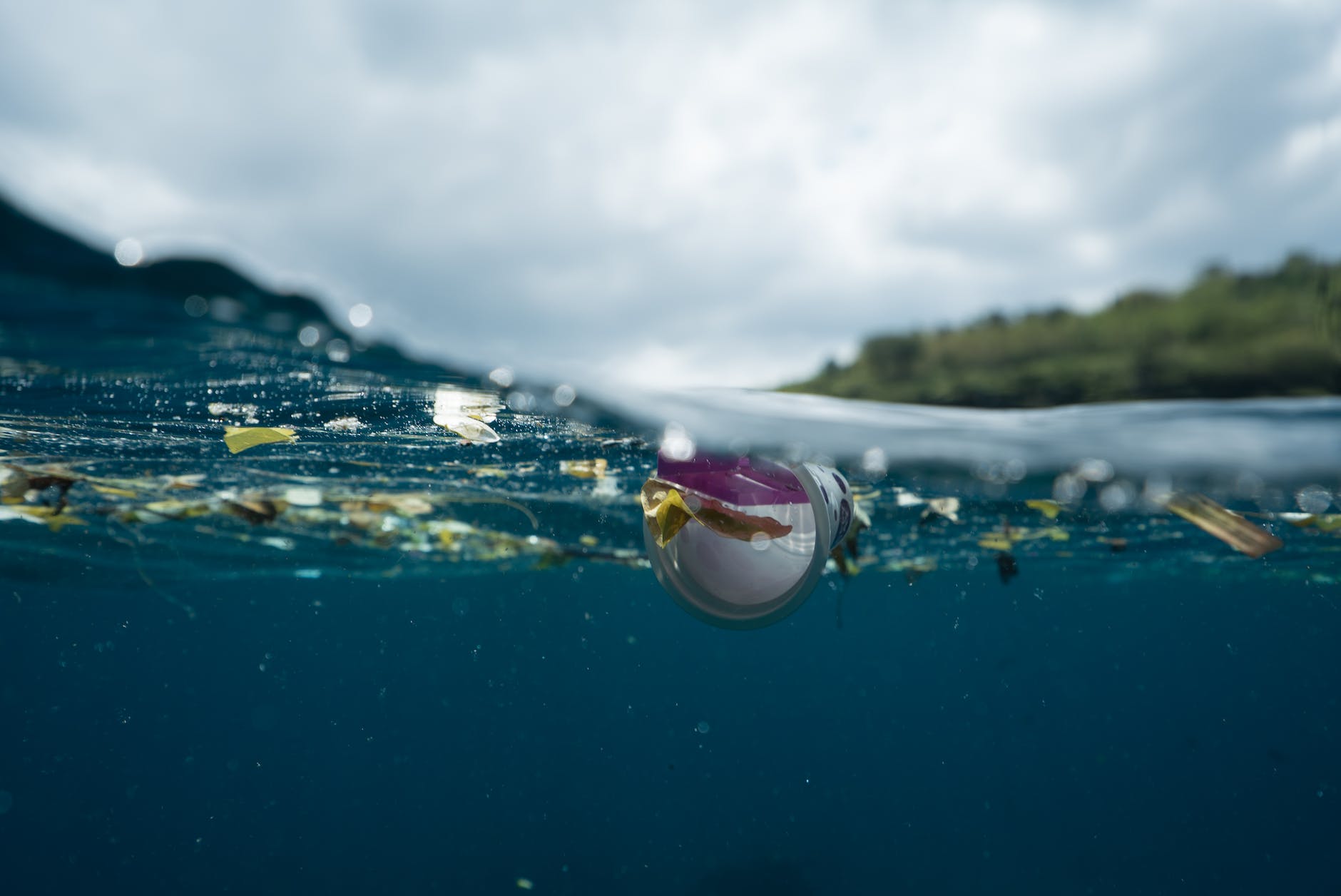
Climate change is an undeniable global challenge that is affecting ecosystems worldwide. Among the ecosystems most severely impacted is our marine environment. As temperatures rise and weather patterns shift, marine life is forced to adapt to these changing conditions.
This article explores the significant impacts of climate change on marine life and highlights the importance of adaptation strategies. From coral bleaching to disruption of ecosystems, marine species are facing unprecedented challenges.
Rising Temperatures and Coral Bleaching
Corals, which are vital components of marine ecosystems, have a symbiotic relationship with colorful algae called zooxanthellae. When the water becomes too warm, corals expel these algae, causing them to lose their vibrant colors and turn white. This bleaching weakens the corals, making them more vulnerable to diseases and ultimately leading to their death. It is important to know that coral bleaching not only impacts the beauty of coral reefs but also disrupts the intricate balance of marine ecosystems, affecting the many species that depend on them for survival.
Ocean Acidification
Sea organisms that naturally rely on calcium carbonate for shell formation face significant challenges due to ocean acidification, which can compromise their ability to build and maintain their protective structures. As the acidity of the oceans increases, it becomes increasingly challenging for these organisms to maintain their shells and skeletons, leading to weakened structures and reduced survival rates. Gaining a complex understanding of ocean acidification’s effect on marine life is crucial in order to devise effective strategies to mitigate this threat and ensure the preservation of the health and biodiversity of our oceans.
Sea-Level Rise and Coastal Habitats
Rising sea levels are a direct consequence of climate change, and they have a profound impact on coastal habitats. As sea levels rise, coastal ecosystems such as mangroves, salt marshes, and coral reefs are at risk of being submerged or degraded, leading to the loss of critical habitats for numerous marine species.
Extreme Weather Events and Disruption of Ecosystems
Climate change is closely linked to more extreme weather events being there on the planet, including hurricanes and cyclones. As global temperatures rise, the energy and moisture in the atmosphere increase, creating an environment conducive to the formation of more intense and destructive storms.
These weather events can be devastating for marine life, disrupting habitats, damaging coral reefs, and causing widespread destruction in coastal areas.
Understanding the connection between climate change and extreme weather events is crucial for effective disaster preparedness and conservation efforts. By taking proactive measures to mitigate climate change, we can help reduce these destructive events and safeguard marine ecosystems.
Adaptation Strategies for Marine Life
In order to survive and thrive in a changing world, marine life must adapt to the challenges posed by climate change. Some species are already exhibiting adaptive behaviors, such as shifting their distribution ranges or altering their breeding patterns. Nonetheless, the rapid and substantial nature of climate change may surpass the capacity of numerous species to adapt within the given timeframe.
Conservation Efforts and Marine Protected Areas
Conservation efforts are essential in mitigating the impacts of climate change on marine life. Establishing marine protected areas (MPAs) provides a refuge for marine species, allowing them to reproduce and thrive in a protected environment.
These areas also help preserve important habitats, such as coral reefs and seagrass beds, which provide food and shelter for various marine organisms.
Adopting sustainable fishing methods, such as setting catch limits and minimizing bycatch, plays a vital role in preserving robust fish populations and bolstering the overall resilience of marine ecosystems.
By prioritizing conservation measures, we can protect vulnerable species and ensure the long-term sustainability of our oceans.
Mitigating Climate Change for the Future
Taking action to tackle the underlying causes of climate change is crucial for safeguarding the well-being of marine life and the overall vitality of our oceans. Reducing greenhouse gas emissions, transitioning to renewable energy sources, and promoting sustainable land and ocean management practices are some of the key steps needed to mitigate the impacts of climate change on marine ecosystems.
Final Thoughts on Climate Change and Marine Life
To summarize, climate change presents a substantial peril to marine life and the delicate ecosystems that rely on it. Understanding these impacts and implementing effective conservation and mitigation strategies are crucial for the survival and resilience of marine species in a changing world. It is our responsibility to act now and protect the future of our oceans and the incredible diversity of life they support.

Leave a Reply