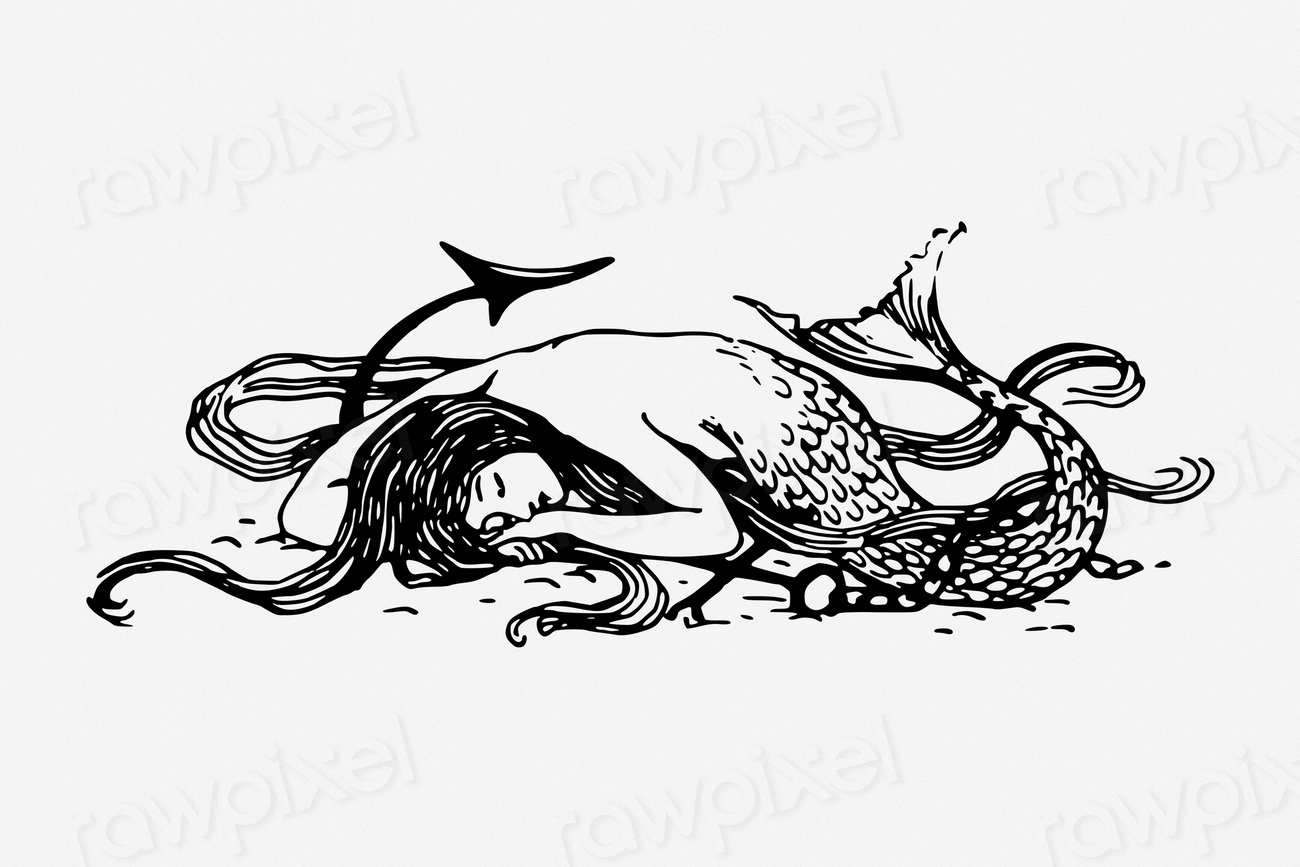
Introduction to Mermaid Art History, Famous Mermaid Paintings, Ancient Mermaid Art, and YA Mermaid Books
The captivating journey of mermaid art history represents one of humanity’s most persistent mythological explorations, tracing a fascinating path from ancient religious symbols to contemporary young adult mermaid books. This comprehensive examination delves into the rich tapestry of mermaids in art, exploring famous mermaid paintings from the mermaid painting renaissance era to modern mermaid digital art creations found across platforms like DeviantArt and Pinterest. We’ll analyze how historical mermaid art evolved through various cultures and time periods, including ancient mermaid art, Greek mermaid art, and Pre-Raphaelite mermaids, while simultaneously revealing how this visual legacy directly inspires today’s most captivating mermaid book series for young adult readers. For enthusiasts seeking mermaid books for teenagers or those interested in mermaid books for tweens, this exploration provides essential context for understanding how artistic representations have shaped literary interpretations across centuries.
Ancient Mermaid Art, Greek Mermaid Art, Babylonian Mermaids, and Mythological Origins in Mermaid Historical Art
The genesis of mermaid historical art begins not in fairy tales but in the spiritual foundations of ancient civilizations, where these creatures served as powerful symbols rather than characters in mermaid books for kids.

- Mesopotamian Mythology: The Babylonian god Oannes, described as an amphibious being with both human and fish attributes, represents one of the earliest precursors to what would become mermaid in art history. This civilizing force emerging from the Persian Gulf established an early connection between aquatic deities and enlightenment.
- Greek and Roman Traditions: The evolution of mermaid in art accelerated through Greek mythology where multiple traditions converged. The Sirens, initially depicted as avian-human hybrids, gradually acquired marine characteristics, creating the foundation for siren art that balances allure with peril. Simultaneously, the Tritons and Nereids further solidified the aquatic humanoid in classical artistic vocabulary, influencing what would eventually become mermaid art gallery collections worldwide.
These ancient manifestations established core symbolism that would evolve through centuries, representing the sea’s unknown depths and embodying both fertility and danger—a far cry from contemporary mermaid books for 12 year olds but essential to understanding the creature’s complexity.
Medieval Mermaid Art, Mermaid Painting Renaissance, Siren Art, and Christian Symbolism in Mermaid History
The mermaid painting renaissance had its roots in the Medieval period’s moral instruction, where mermaid historical art took on new significance within Christian contexts.

- Ecclesiastical Art and Illuminated Manuscripts: Medieval bestiaries and church carvings frequently featured mermaids as cautionary figures, typically depicted with comb and mirror—symbols of vanity that would later appear in Hans Christian Andersen little mermaid art. These representations established visual conventions that persisted for centuries in historical mermaid art.
- Renaissance Refinement: The mermaid painting renaissance period saw masters like Albrecht Dürer incorporating mermaids into their works, blending lingering religious symbolism with a growing appreciation for mythological beauty. This era produced some of the most famous mermaid paintings that balanced moral warning with artistic admiration for the form.
This period’s complex portrayal of mermaids as both temptation and artistic marvel directly influences how modern mermaid book series ya approaches character development, creating figures that embody similar duality.
Pre-Raphaelite Mermaids, Hans Christian Andersen Mermaid Art, and Victorian Mermaid Paintings That Inspired YA Mermaid Books
The single most significant transformation in mermaid art history occurred with Hans Christian Andersen’s 1837 literary masterpiece, which created an entirely new archetype that would dominate visual representations.
- The Pre-Raphaelite Movement: Artists like John William Waterhouse created the definitive image of the melancholy mermaid with his 1900 masterpiece—the Waterhouse mermaid that would become iconic. The Pre-Raphaelite mermaids typically featured contemplative figures with flowing hair, representing a dramatic shift from sinister siren to tragic heroine that would influence everything from little mermaid art to contemporary mermaid books for teens.
- Victorian Commercialization: The popularity of Andersen’s tale spawned countless illustrations and adaptations, making the mermaid a staple of Victorian decorative arts and establishing patterns that would later inform Disney mermaid art and countless mermaid books for young adults.
This century established the mermaid as both artistic muse and literary character, creating a symbiotic relationship between visual and narrative arts that continues in today’s mermaid book series young adult market.
20th Century Mermaid Art: Vintage Mermaid Art, Mermaid Art Deco, Mermaid Art Prints, and Mermaid Books for Teens
The 20th century witnessed dramatic transformations in mermaid art as technological advancements, commercial applications, and new artistic movements diversified representations beyond traditional paintings and illustrations.

- Golden Age of Illustration: The early twentieth century saw magnificent mermaid art created for books and magazines by illustrators like Howard Pyle and N.C. Wyeth, whose work established visual standards that would influence mermaid books for 10 year olds for generations. This period also saw the rise of vintage mermaid art in advertising, particularly for products related to the sea, bathing, and beauty.
- Hollywood Glamour: The development of cinema introduced mermaids to motion pictures, creating iconic imagery through swimsuit spectacles and fantasy films. Esther Williams’ aquatic musicals and films like “Mr. Peabody and the Mermaid” (1948) established a new aesthetic of mermaid art deco glamour that would influence mid-century mermaid artwork and mermaid art prints.
- Pin-Up and Pulp Traditions: Mid-century vintage mermaid art flourished in pin-up culture and pulp magazine covers, blending fantasy with emerging sensibilities that would later influence mermaid books for teenagers. Artists like Gil Elvgren created memorable mermaid images that combined traditional symbolism with contemporary aesthetics.
- Pop Art and Counterculture: The 1960s-70s saw mermaids reinterpreted through psychedelic and pop art lenses, with vibrant colors and new symbolic meanings emerging in mermaid artwork. This period also saw the rise of mermaid art in comic books and underground publications, expanding the creature’s representation in popular culture.
This century of innovation created the visual foundation for what would become contemporary mermaid book series for kids and established the mermaid as a versatile symbol capable of adapting to changing cultural norms and artistic styles.
Global Mermaid Folklore: Celtic Selkies, Japanese Ningyo, African Mami Wata, and Cultural Mermaid Art Traditions
While European traditions dominated mermaid art history, diverse cultural interpretations existed worldwide, offering alternative perspectives that enrich modern mermaid books for young adults.
- Celtic and Norse Traditions: The Selkie legends of Scotland and Ireland and the Margygur of Norse mythology provided shapeshifting alternatives to the standard mermaid form, influencing contemporary fantasy mermaid art and expanding possibilities for mermaid book series for kids seeking unique mythological foundations.
- Japanese Ningyo: The often-grotesque depiction of these fish-human hybrids represented a completely different cultural interpretation rooted in superstition and caution, offering creative alternatives to standard mermaid art conventions.
- African and Diaspora Traditions: The powerful Mami Wata (Mother Water) traditions provided a potent symbol of beauty, healing, and danger that has recently gained recognition in global mermaid art gallery exhibitions and inspired more diverse representation in young adult mermaid books.
These global traditions provide rich material for authors seeking to create distinctive mermaid books for teenagers that move beyond European-centric narratives.
Mermaid Digital Art, AI Mermaid Art, DeviantArt Mermaids, and Online Mermaid Art Communities
The late 20th and early 21st centuries witnessed a revolutionary transformation in how mermaid art is created, shared, and consumed, fundamentally changing the relationship between artists and audiences.
- Platform Revolution: The emergence of digital platforms like DeviantArt, ArtStation, Pinterest, and Instagram created unprecedented opportunities for artists to share mermaid digital art with global audiences. This democratization allowed for an explosion of diverse interpretations, from gothic mermaid art to ethereal mermaid art, without gatekeepers or traditional gallery constraints. Mermaid drawing challenges like Mermay inspire mermaid art creators to share their work, build confidence, and engage with a supportive artistic community.:
- Community and Collaboration: These platforms fostered vibrant communities where artists like Amy Brown, jaiden mermaid art creators, and gabriella mermaid art specialists could develop followings, share techniques, and collaborate. This community aspect revolutionized how mermaid artwork is produced and consumed, creating direct connections between creators and enthusiasts that never existed in traditional mermaid art history.
- Diversity and Representation: The digital era has particularly championed diversity in mermaid representation. The black mermaid art movement, along with works inspired by concepts like Julian is a Mermaid, has expanded the boundaries of what mermaid imagery can represent, making it more inclusive and relevant to contemporary audiences.
This digital transformation has created a natural bridge to literature, where modern mermaid book series ya similarly benefits from direct reader engagement and diverse representation.
Mermaid Art and YA Literature: Mermaid Books for Teens, Mermaid Book Series YA, and Visual Inspiration from Mermaid Art History
The rich history of mermaid art provides essential foundation and inspiration for contemporary literary works, particularly in the young adult mermaid books genre where visual imagination plays a crucial role in world-building.
- Visual World-Building: The extensive tradition of mermaid historical art gives authors a rich visual vocabulary for creating undersea worlds, from the glamorous aesthetic of Art Deco mermaid art to the organic feel of Pre-Raphaelite mermaids. This allows writers to craft settings that feel visually coherent and historically grounded.
- Character Archetypes: The evolution of mermaid representations—from dangerous siren to tragic heroine to empowered modern figure—provides authors with well-established archetypes that can be embraced, subverted, or reinvented in their mermaid books for teens.
- Thematic Depth: The complex symbolism embedded in mermaid art history—themes of duality, transformation, and the relationship between humanity and nature—gives authors ready-made thematic material to explore in their narratives.
This connection between visual art and literature creates a natural pathway for art enthusiasts to discover literary works that capture similar aesthetic sensibilities and thematic concerns.
Mermaid Princess Amelia Series: YA Mermaid Books Inspired by Famous Mermaid Paintings and Historical Mermaid Art
For true mermaid enthusiasts who appreciate the depth and history of mermaid art, the Mermaid Princess Amelia series by Maxine Foti represents the logical next step in engaging with this rich tradition. This isn’t just another entry in the crowded field of mermaid books for teenagers—it’s a work that consciously engages with and builds upon the entire history of mermaid representation.
What sets this mermaid book series young adult apart is its sophisticated integration of artistic themes and sensibilities:
- Art as Narrative Element: The series features characters for whom art isn’t just background detail but essential to their identity and development. Mermaid Edith’s journey as an artist struggling to find her voice mirrors real-world creative struggles, while Merman Ehsan’s scholarly interest in art history brings intellectual depth to the fantasy elements.
- Visual Storytelling: The series demonstrates a keen awareness of mermaid art history in its descriptive language and world-building, creating vivid mental images that resonate with audiences familiar with artistic traditions from Waterhouse mermaid paintings to contemporary mermaid digital art.
- Modern Sensibilities: While honoring historical traditions, the series incorporates contemporary concerns about representation, identity, and environmentalism that reflect the most current developments in mermaid art and literature.
This series represents the perfect next step for anyone who has explored mermaid art gallery collections, studied historical mermaid art, or followed contemporary mermaid artists online. It offers the same aesthetic pleasure and thematic depth while providing the narrative immersion that only literature can offer.
Conclusion: Mermaid Art History, Mermaid Books for Young Adults, and the Ongoing Evolution of Mermaids in Art and Literature
The journey of mermaid representation—from ancient religious symbol to contemporary literary character—demonstrates the remarkable flexibility and enduring power of this mythological figure. The history of mermaid art isn’t a closed book but a living tradition that continues to evolve through both visual and literary forms.
For today’s enthusiasts, the digital revolution has created unprecedented access to both historical and contemporary mermaid art, while simultaneously enabling new forms of literary engagement through teenage mermaid read online platforms and mermaid book series YA. This accessibility ensures that the mermaid will continue to evolve and inspire for generations to come.
The Mermaid Princess Amelia series stands as a testament to this ongoing evolution—a work that honors the rich history of mermaid art, from famous mermaid paintings and Greek mermaid art to modern mermaid digital art. With beautifully described underwater worlds and artistic characters like Edith, whose creative journey mirrors the emotional depth found in mermaid historical art, the series offers a unique blend of visual and literary storytelling.
Sign up at Hasalynx Press to read mermaid books online such as Mermaid Princess Amelia and the Lost Symphony by Maxine Foti—an unforgettable deep‑sea saga perfect for teens and young adults who believe in the treasures hidden just beyond the shore.
Related Articles:
- Mermaid Princess Amelia Coloring Book: Download Free Now!

- Episode 1 of the Visual Novel PC Game about Mermaid Princess Amelia and the Lost Symphony has just been launched by Hasalynx Games!

- The Ultimate Journey Through Mermaid Art History: Famous Mermaid Paintings, Ancient Greek Mermaids in Art, and the Visual Legacy Behind YA Mermaid Books

- Mermaid Tears: From Mythology to Sea Glass and Glitter

- Discovering the Wonders of Sea Steampunk: Exploring Ocean-Inspired Inventions and Imagery in Steampunk Culture

- How did Edith learn to paint? Edith Dvali’s artistic life as described in Stories from the Undersea World of Mermaid Princess Amelia



Leave a Reply